Ministries
Resources
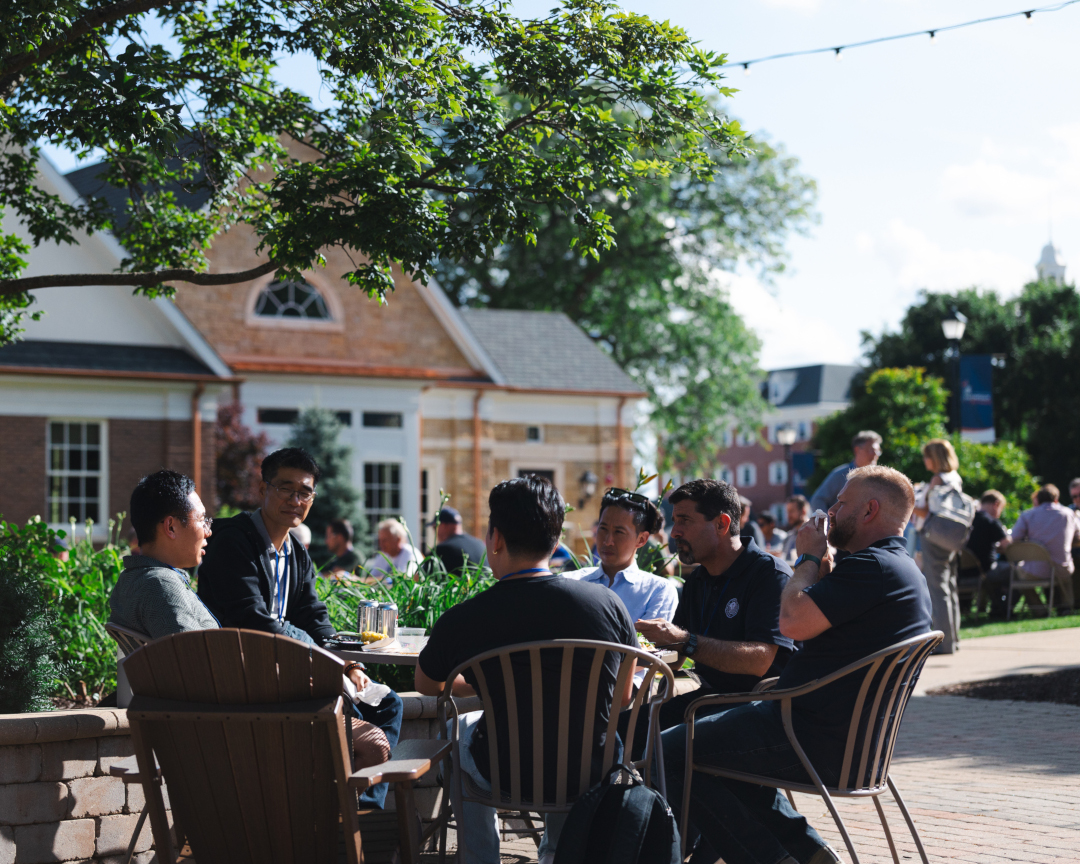
From 4 p.m. to 6 p.m., Deacons, Elders and Pastors met by the playing fields to a blessed meal of mac ’n’ cheese, grilled chicken, pork BBQ, and cupcakes for dessert. Participants sat in groups of eight, introduced themselves, and shared a meal outdoors in beautiful sunshine with a light breeze.
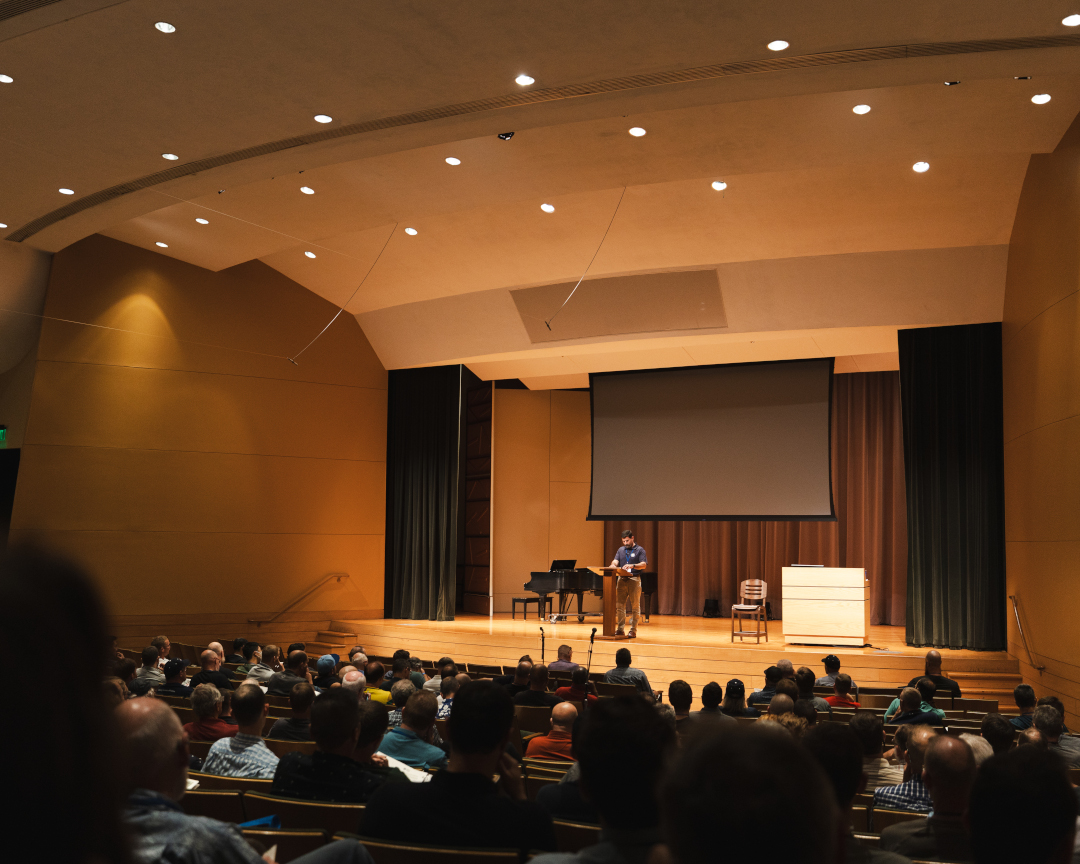
Brother David Nakhla, administrator of the OPC Committee on Diaconal Ministries, opened the 2026 Deacon’s Summit in prayer, provided an overview of the summit schedule and explained who’s who for this marvelous event. He made special note of two important topics; a process by which deacons may seek financial assistance through their presbytery and thence to the OPC Committee; and a summary of resources available to deacons within the OPC. Finally, he welcomed visitors in attendance from outside of the OPC. We closed in praise to Almighty God singing Psalter hymn 164, “God Himself is With Us.”
Bob hails from Ohio, has been married 46 years (praise God) and was installed as an ordained deacon in 1979 at Grace OPC, Columbus, Ohio, serving in that office to the present day.
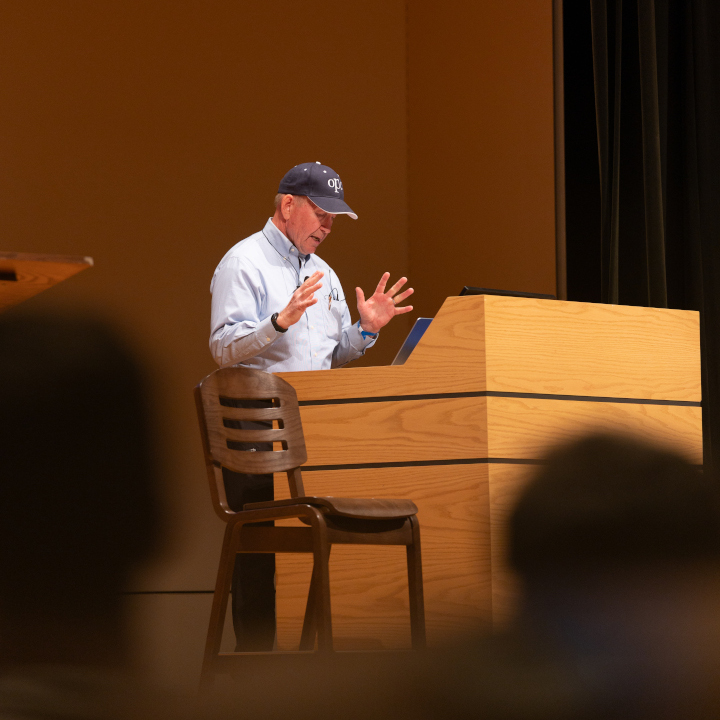
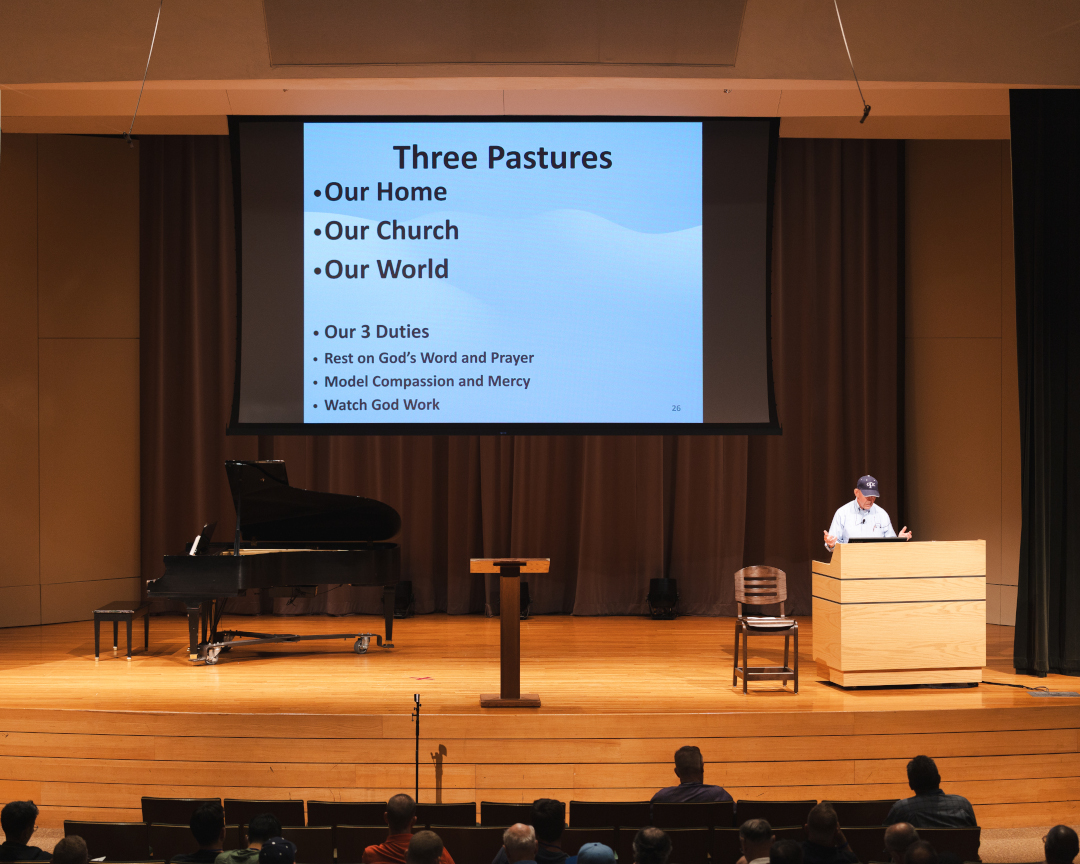
Bob’s key point was that deacons should not have the attitude of “get it done”. There is a tendency to think of diaconal work as a never-ending series of small tasks, so the sooner one task is finished the quicker the next task can start. This is wrong thinking. Our goal should be to build up the church while accomplishing tasks. Many tasks exist because of a greater problem lurking in the background. Tackling the greater problem takes time and patience. Bob recommended that all deacons cultivate a culture of compassionate service within the congregation while energizing the congregation to serve. After all, are we not all called to serve? Finally, Bob pointed out that the successful deacon will identify, mentor, and raise up young men to become deacons so that the role of the church and diaconate never ends. In closing, Bob warned that deacons can get burned out. He was quick to observe that sabbaticals are not signs of failure. We are all thankful for Bob’s address to the summit.
The Rev. Danny Olinger, General Secretary of the OPC Committee on Christian Education, spoke on the topic of “The History of the OPC Diaconal Ministries”. David Nakhla introduced Danny as a lover of OPC church history and an almanac of details on the history of the OPC.
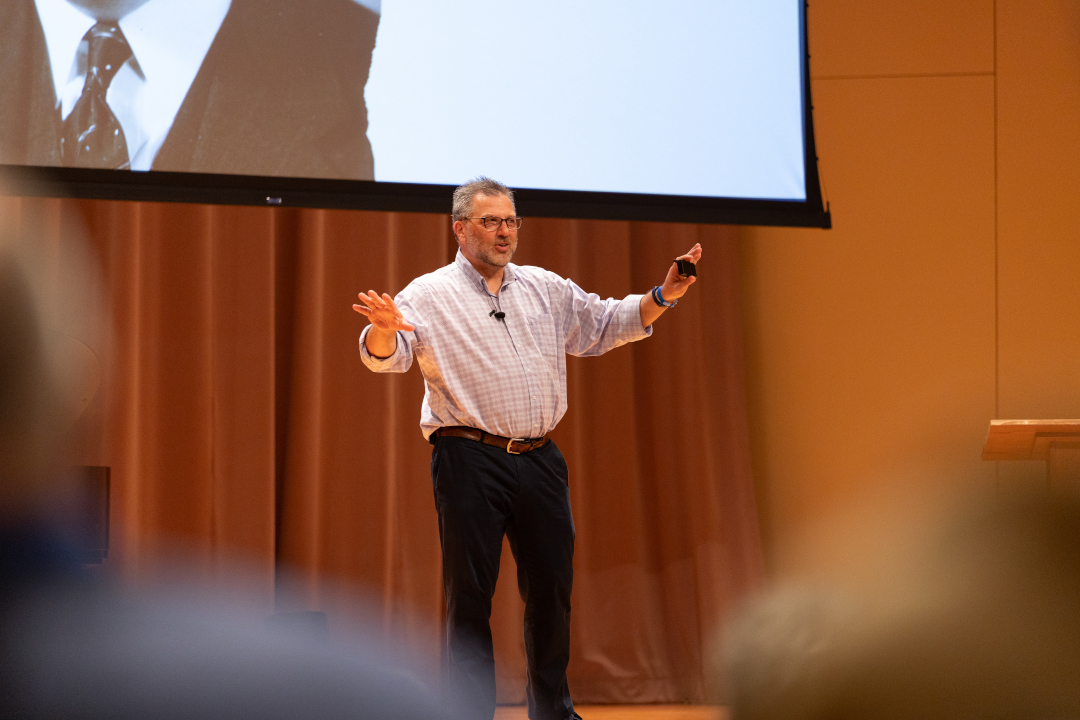
Danny refreshed our memories on the origins of the OPC but gave a unique view: the OPC grew both in the US and abroad because of diaconal activities. He gave numerous examples including deacons supporting Bible camps in Kentucky (1930’s), deacons responding to refugees fleeing Hitler (1939), and ministering to the hungry and homeless in war-torn Korea, Japan and Eritrea. He emphasized that Word and deed go hand-in-hand; hence, deacons need to be well-versed in the Word, and they should work with elders and ministers. One group teaches, one preaches, and one serves. It is a powerful combination. The history of the OPC proves this combination grows the church.
Each participant had a choice of three workshops at three different times during the three-day event. The first group of workshops was held on Friday morning. I attended “Diaconal Evangelism” with Rev. Eric Watkins who is an evangelist pastor based in Florida, working on a church plant, and passionate about growing the church (building the kingdom).
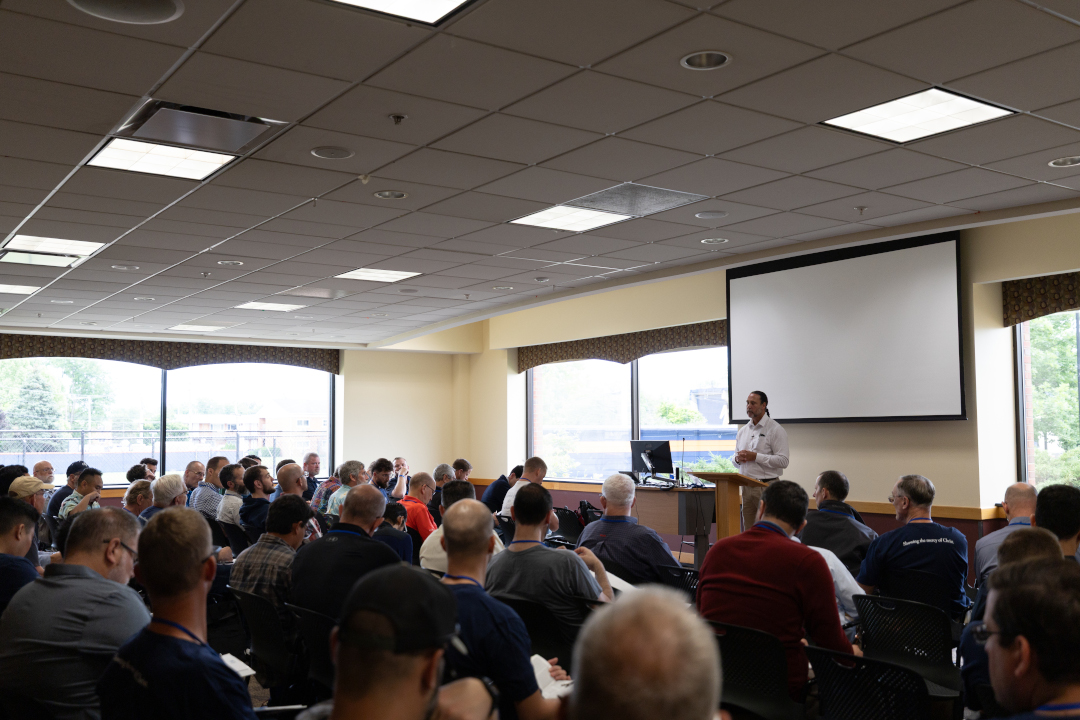
Eric made an interesting comparison between Christ and his bride, the Church. Jesus is Prophet, Priest and King. The church has pastors, elders and deacons. He likened pastors to Old Testament prophets in that they share the Word (not a new prophetic word but the revealed Word now given to the church). He likened elders to kings in that they both rule. And finally Eric likened deacons to priests and Levites who disbursed tithes to the sojourner, the fatherless, and downtrodden (Deuteronomy 26:1-15).
The main thrust of Eric’s address was focused on the deacons’ roles in expanding the kingdom of God by growing the church. To do this, the deacons must look outward to the needs of those in the world and not focus solely on the needs of the congregation. This would be inward looking and does not grow the church. Reaching out to the world by serving the needs of the sojourner can bring people to Christ as long as the deeds done are combined with the Word in spirit and with prayer and fasting. Eric strongly believes evangelism and the diaconate should be two sides of the same coin. He pointed to Acts 6:7 in which the church grew once deacons were installed and reached outward. In closing, Eric compared and contrasted the description and charges to deacons as found in the Books of Church Order (BCO) of the OPC, PCA, and URCNA. The job description in the PCA BCO was by far the best written and most exhaustive. This motivated me to obtain my own copy of these books for my future reference.
The third plenary session was a panel discussion led by the Rev. Chris Cashen entitled “The Heart of a Deacon”. Chris was formerly a deacon but now is an ordained minister of the Word and a member of the Committee of Diaconal Ministries.
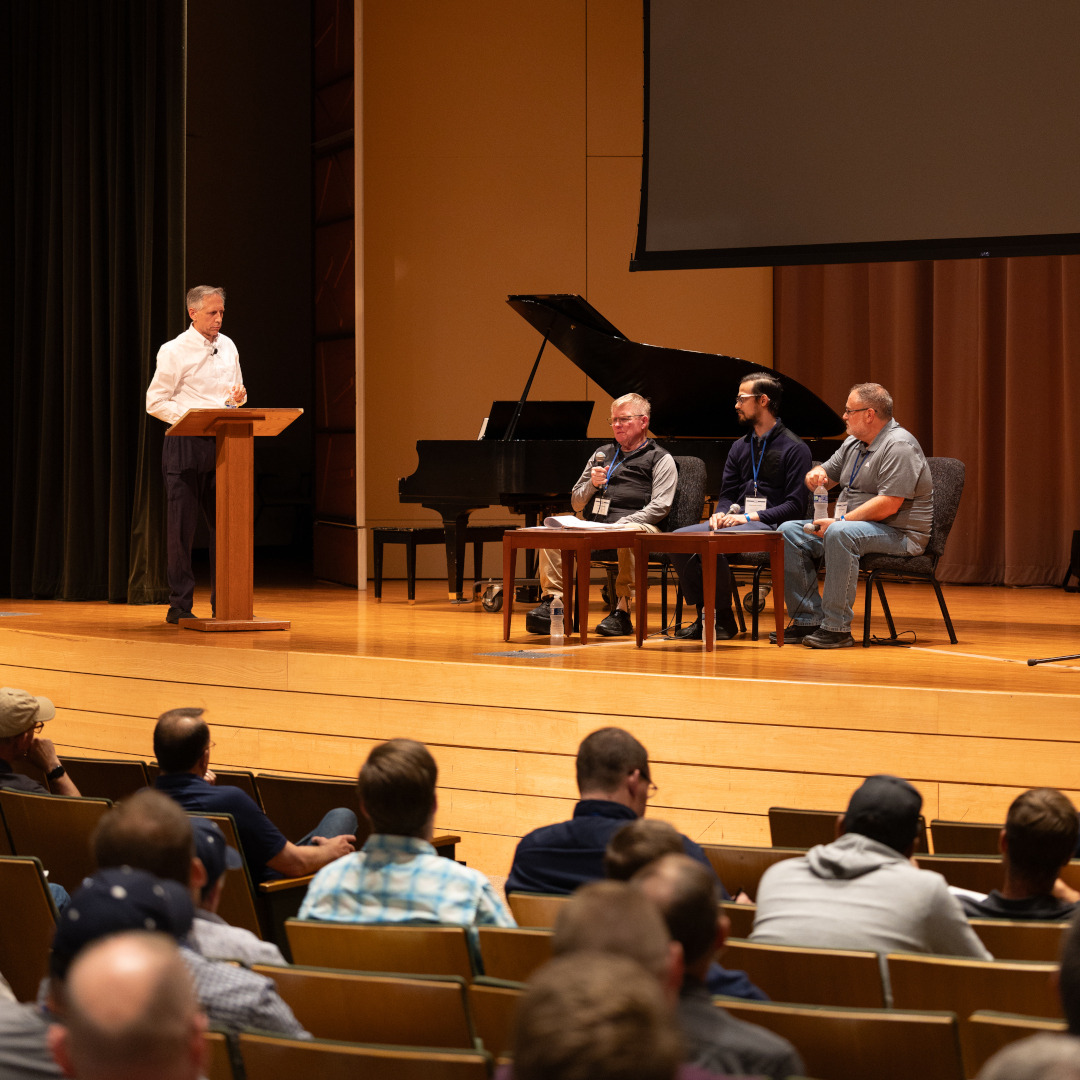
The panel addressed various challenges and approaches to diaconal service. Although each panelist had different answers, their answers were always complementary to each other and never in disagreement. This was beautiful to witness and I thank God for it. Overall, the panel lifted up fellow deacons through encouragement by faith and the Word. Their collective wisdom was on display for all to see.
During the second workshop session, I attended “Caring for the Elderly” led by the Rev. Brian DeJong, pastor of Grace OPC, Sheboygan, Wisconsin. In 2017, he published Honoring the Elderly: A Christian's Duty to Aging Parents. Brian recognized the needs of the elderly through members of his congregation who asked for advice for their own aging parents. Exodus 20:12, “Honor thy father and mother,” also extends to our elderly family in Christ.
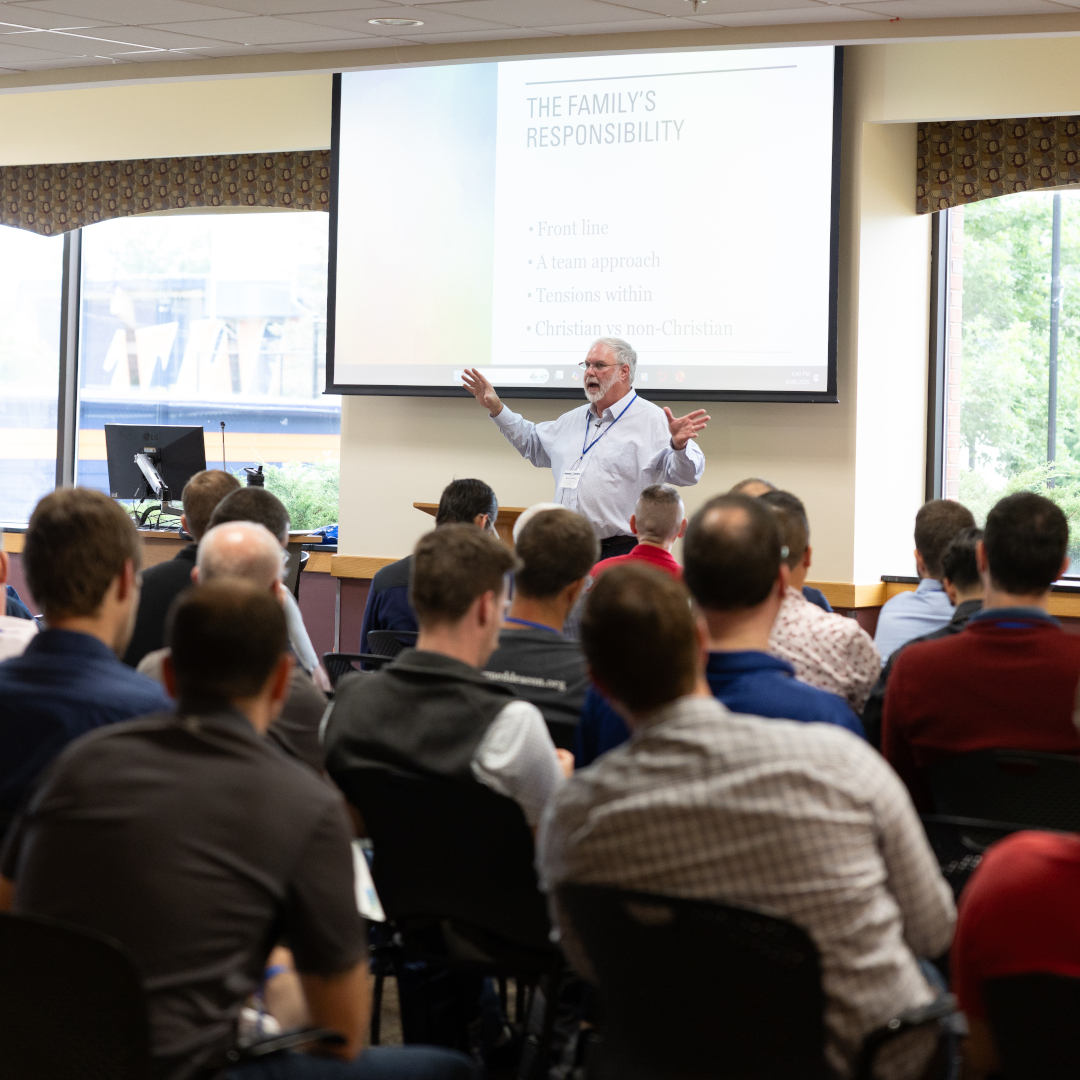
This was a powerful message filled with testimonies. One of Brian’s most important points was that hospital or home visits lift the elderly but do even more for the visitor. He challenged all deacons to visit, care for, and pray with and over the elderly, the widows and the hospitalized as a vital part of the ministry. We were reminded that we can and should energize the members of our congregation so that deacons are not doing everything. We can organize a church response which will become a blessing to the whole church.
The final plenary talk was by the Rev. Mike Schout, church planter at Grace Fellowship OPC in Zeeland, Michigan. Mike explained that a limping deacon is a broken person. Think of Jacob from Genesis after wrestling with God; he limped but was one with God afterward.
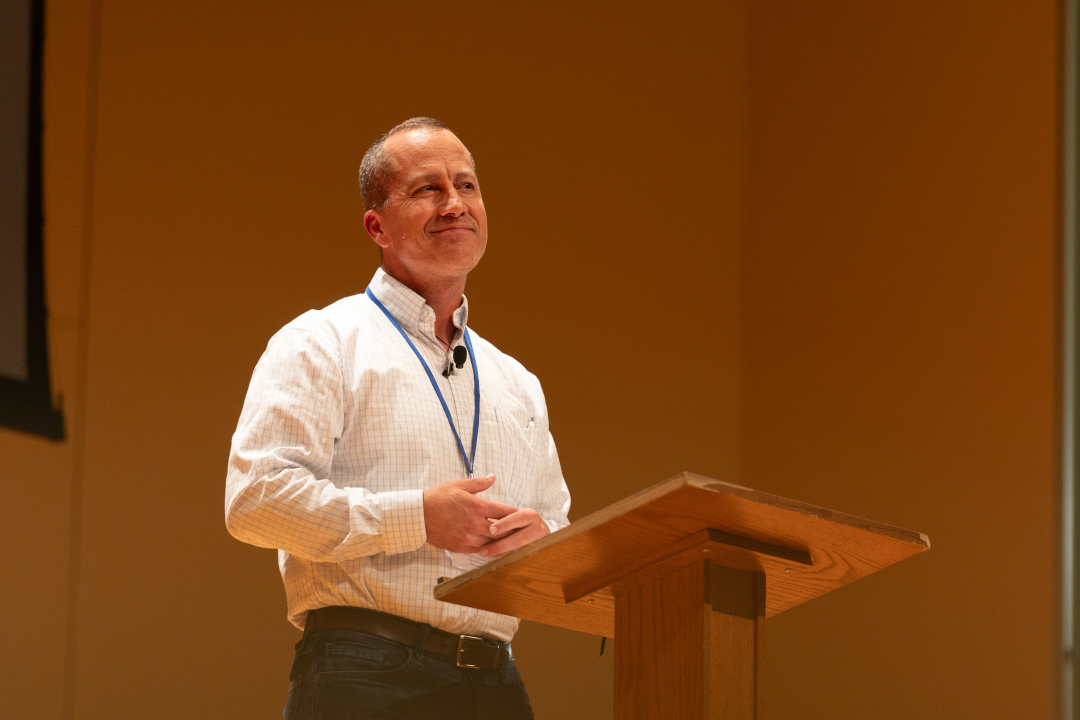
Those who are broken but turn to Jesus become restored and greater in their brokenness than in their pre-broken state. A limping diaconate makes deacons approachable. When we are weak, Christ is strong. Deacons need to lean on Jesus, not upon their own understanding. Every member of a congregation is needy but also needed. Therefore we serve, but we also move the saints to serve. And some of the saints who serve need to be raised up into new deacons. Since all are called to serve, it is imperative that the diaconate engage the saints to give them opportunities to serve. Many saints are hungry for service. Finally, limping deacons rely on prayer rather than self. Prayer is powerful and necessary. Through prayer God moves mountains and gives wisdom. The bottom line was that Deacons need to rest in the mercy of Jesus. As we receive mercy, so we become merciful to others (not judging, and therefore approachable).
The evening was closed out by sweet fellowship around firepits.
One of the three offered workshops on Saturday morning was presented by the Rev. Lowell Ivey, entitled, “Ministry to the Incarcerated”. Lowell has a unique perspective. He made poor decisions in his youth leading to a prison sentence. He came to Christ, sought seminary and was ordained. After serving various ministerial posts in the OPC, he was called to lead a prison ministry within the PCA.
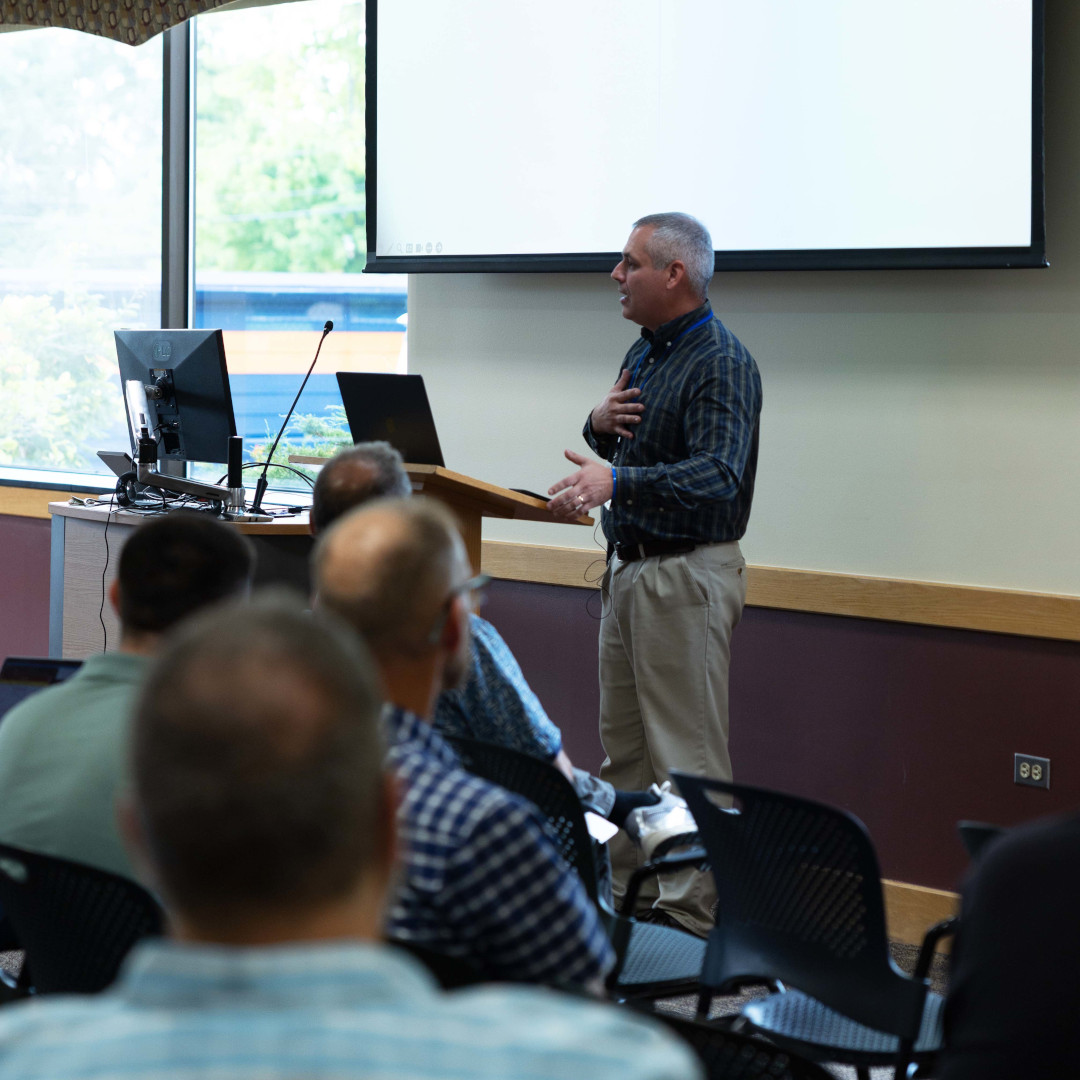
Lowell reported the statistics that 1.9 million people are currently in prison, that 2.7 million children have an incarcerated parent, and that approximately 96% of prisoners will be released at some point in their lifetimes. He shared that prisoners lose their identity in prison, enabling many gangs to fill the void. But Christ can become a new identity. To do this, someone has to share the Word of God with these prisoners.
Lowell asked thought provoking questions: “Does your church have a designated evangelist to minister to prisoners?”, “Does your Presbytery have a designated evangelist to minister to prisoners?” Lowell observes that he sees very few reformed ministers/evangelists working within the prison system. Why is this? If a prisoner makes a credible profession of faith, will our church baptize them? Receive them? Welcome them? Trust them?
The deacon can lead the congregation in the works of service and mercy and he can ensure that every member of the church knows that that the prisoner is known, loved and prayed for.
He also reminded us that helping inmates after release is extremely important. The goal of reentry ministry is not rehabilitation but rather discipleship! This is extremely important. And the goal of discipleship is worship.
The National Diaconal Summit was closed with a devotional by the Rev. Joe Troutman, Mid-Cities OPC, Bedford, Texas, followed by the singing of the Doxology. The CDM plans to host the next summit in 2030.
© 2026 The Orthodox Presbyterian Church


